$100 million New Jersey deli inventory fraud case responsible plea

Your Hometown Deli in Paulsboro, N.J.

Google Earth

A North Carolina ex-convict pleaded guilty to securities fraud in connection with conspiring to manipulate the stock of a company that once had a market capitalization of as high as $100 million despite owning just one, small money-losing deli in southern New Jersey.

Disgraced former stockbroker James Patten also admitted on Wednesday in Camden, New Jersey, federal court to conspiring with two other men to manipulate the share price of another related shell company, which had no tangible assets. That company’s market cap was even higher than the Hometown International deli company the men controlled.

Prosecutors said that Patten, 64, and the other two defendants conspired over eight years to increase the stock price of Hometown International and the shell company E-Waste to create a false impression of demand for the firms’ shares, and better position them as candidates for so-called reverse mergers with privately owned companies.

Courtroom sketch of James Patten, left, and attorney Ira Sorkin at N.J. District Court in Camden, N.J., Oct. 11, 2022

Source: Elizabeth Williams

The other defendants, Peter Coker Sr. and son Peter Coker Jr., remain charged in the case, in which they have pleaded not guilty.

The Cokers and Patten also are being sued over the alleged scheme by the Securities and Exchange Commission. That lawsuit in New Jersey federal court has been paused until the resolution of the criminal case.

The scheme relied on a pattern of coordinated stock trading between a relatively small number of accounts nominally held by family members, friends and associates, according to court documents.

As a result, Hometown and E-Waste’s stock prices were artificially inflated by 939% and 19,900%, respectively.

The scheme began in 2014, when Patten suggested the creation of Hometown as an umbrella corporation to a friend, a high school principal and wrestling coach named Paul Morina, to own Your Hometown Deli, which Morina and another person were discussing opening in Paulsboro at the time. Morina and the other deli owner were unaware of Patten’s scheme to manipulate Hometown’s stock, authorities have said.

Hometown Deli, Paulsboro, N.J.

Mike Calia | CNBC

Patten’s guilty plea to securities fraud, and conspiracy to commit securities fraud, could well ratchet up pressure on both Cokers to reach plea deals in the case.

Coker Sr., who lives in North Carolina, remains free on bond, while Coker Jr., a former Hong Kong resident who was arrested as a fugitive in Thailand in January, is being held without bond in a New Jersey jail.

Charges were filed against the trio in September 2022, more than a year after CNBC detailed a series of questionable connections between Hometown and E-Waste, past criminal and civil court issues of Patten and the elder Coker, and eyebrow-raising consulting deals with the companies that benefitted those two men. Your Hometown Deli closed earlier in 2022.

CNBC’s reporting was sparked by a client letter that hedge fund mamager David Einhorn sent clients in April 2021, which highlighted Hometown International’s bizarre stock price given its very meager single asset of the deli.

“The pastrami must be amazing,” Einhorn wrote in that letter.

On the heels of those articles, both Hometown International and E-Waste took the highly unusual step of disavowing their market capitalization, saying there was no basis to support their stock prices. The companies later executed reverse mergers with other firms.

Peter Coker Sr. and his wife Susan Coker at U.S. District Court in Newark, New Jersey, March 15, 2023.

Dan Mangan | CNBC

Patten, who lives in Winston-Salem, faces a maximum possible sentence of 20 years in prison and fines of $5.25 million, but he is likely to get much less than that given federal sentencing guidelines.

He is scheduled to be sentenced on April 23, at which point the other 10 securities fraud charges he faced with the Cokers will be dismissed.

His lawyer Ira Sorkin told CNBC, “He admitted that he had engaged in wrongdoing.”

When asked if Patten had agreed to cooperate with prosecutors in their case against the Cokers, Sorkin said, “I’m not going to get into anything.”

Sorkin, who previously represented the notorious late Ponzi scheme mastermind Bernie Madoff, said that Patten’s case was unusual only because of the media attention paid to it.

“The press has come in and said the pastrami sandwich cost $100 million,” Sorkin quipped.

The attorney said that at sentencing “you will find out” what the pastrami actually cost.

Lawyers for the Cokers have argued that no one actually lost money in the alleged scheme.

But prosecutors have pointed to the hundreds of thousands of dollars Hometown and E-Waste paid out in consulting fees, and to the funding of the companies by other individuals who are not charged.

Patten previously pleaded guilty in 2010 in New Jersey federal court to a mail fraud charge related to sending a client a false financial statement to cover up bad investments he had made using her money. He was sentenced to 27 months in prison in that earlier case.

Four years earlier, Patten was barred by FINRA, the broker-dealer regulator, from acting as a stockbroker for having failed to comply with an arbitration award of more than $753,000, for violating securities laws, unauthorized trading for churning a client’s account. Sorkin had represented him in that regulatory action.

Coker Sr. previously was sued for allegedly hiding money from creditors and alleged business-related fraud. He has denied wrongdoing in those cases.

The Trump Marketing campaign Melts Down And Blames George Soros And Joe Biden For Getting Kicked Off The Poll In Colorado

The Trump campaign reacted to being kicked off of the ballot in Colorado by claiming that the state Supreme Court is doing the bidding of George Soros and President Joe Biden.

Steven Cheung, Trump Campaign Spokesman, reacted to Trump’s Colorado disqualification:

Unsurprisingly, the all-Democrat appointed Colorado Supreme Court has ruled against President Trump, supporting a Soros-funded, left-wing group’s scheme to interfere in an election on behalf of Crooked Joe Biden by removing President Trump’s name from the ballot and eliminating the rights of Colorado voters to vote for the candidate of their choice. Democrat Party leaders are in a state of paranoia over the growing, dominant lead President Trump has amassed in the polls.

They have lost faith in the failed Biden presidency and are now doing everything they can to stop the American voters from throwing them out of office next November. The Colorado Supreme Court issued a completely flawed decision tonight and we will swiftly file an appeal to the United States Supreme Court and a concurrent request for a stay of this deeply undemocratic decision. We have full confidence that the U.S. Supreme Court will quickly rule in our favor and finally put an end to these unAmerican lawsuits.

The Trump campaign’s primary tactic, when held accountable in any way for 1/6, is to blame some vast left-wing conspiracy that is out to get Donald Trump. Those 91 felony counts that Trump is facing are all part of the conspiracy. Getting kicked off the ballot in Colorado is also part of the conspiracy.

However, Democrats beat Donald Trump in 2020. Democrats have won or overperformed in every election after Donald Trump’s 2016 victory. Donald Trump is very good for Democratic election results. Democrats don’t need a conspiracy to win, because they have been beating Trump and his party like a drum for years.

Trump got disqualified in Colorado because he participated in an insurrection against the United States government.

The Trump campaign won’t admit the truth, so they melt down into a puddle of conspiracies in a bid to hide the facts.

A Special Message From PoliticusUSA

If you are in a position to donate purely to help us keep the doors open on PoliticusUSA during what is a critical election year, please do so here.

We have been honored to be able to put your interests first for 14 years as we only answer to our readers and we will not compromise on that fundamental, core PoliticusUSA value.

Jason is the managing editor. He is also a White House Press Pool and a Congressional correspondent for PoliticusUSA. Jason has a Bachelor’s Degree in Political Science. His graduate work focused on public policy, with a specialization in social reform movements.

Awards and  Professional Memberships

Member of the Society of Professional Journalists and The American Political Science Association

New information on Eli Lilly’s weight-loss drug exhibits its outlook is vivid

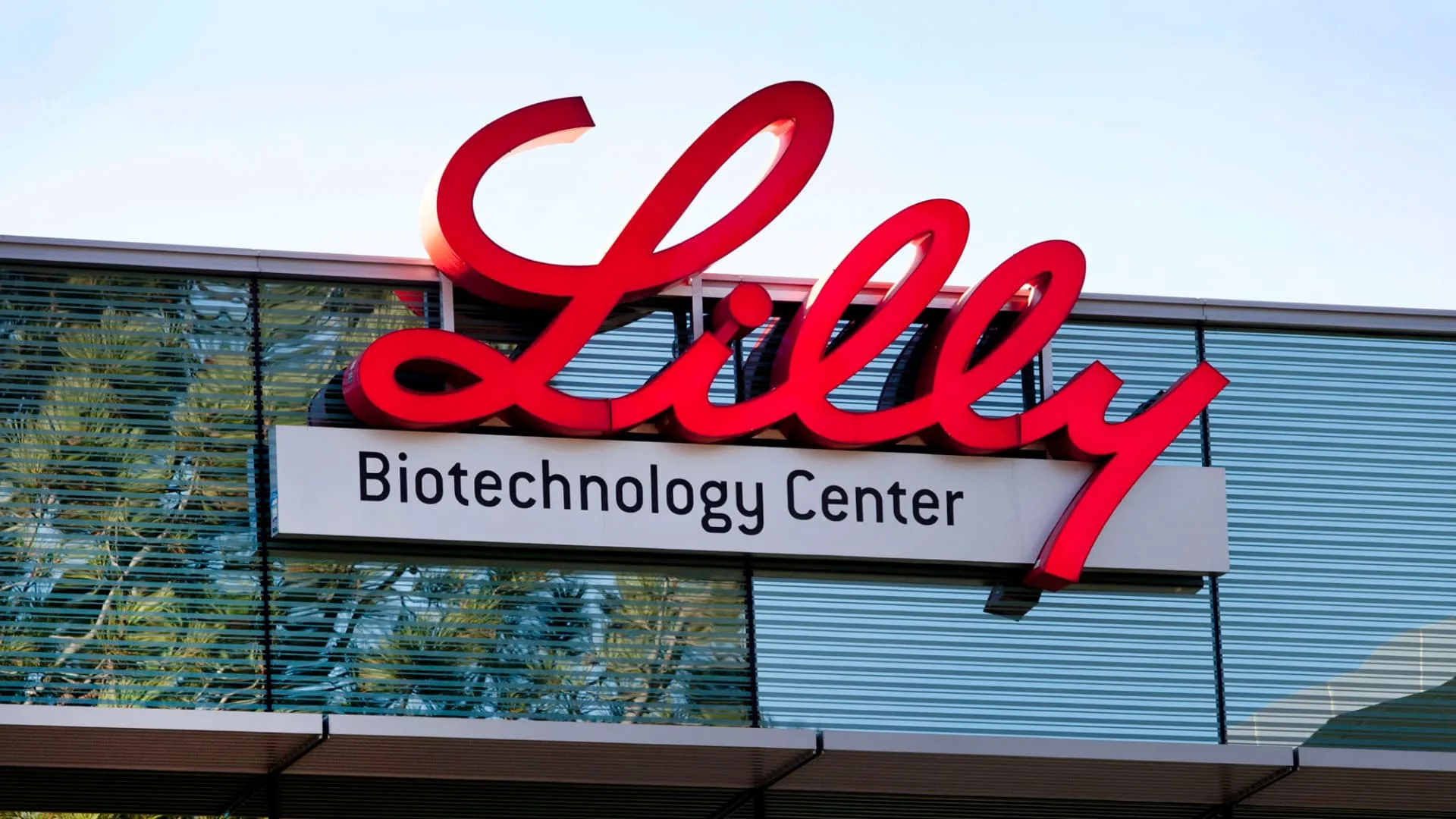
Eli Lilly’s office in La Jolla, California.

Konrad Fiedler | Bloomberg | Getty Images

The launch of Eli Lilly‘s weight-loss drug Zepbound — a key pillar of our investment thesis in the pharmaceuticals giant — is going swimmingly in the U.S., Jefferies said Friday.

2024 expectations for Wegovy, Ozempic, Zepbound

George Frey | Bloomberg | Getty Images

Weight loss drugs exploded into the public eye this year, and 2024 will bring more change to the evolving market. 

The drugs skyrocketed in popularity in 2023 as they helped patients shed significant weight, despite hefty price tags, mixed insurance coverage and a handful of unpleasant side effects. 

Demand for the drugs is unlikely to slow down in 2024, especially as treatments gradually become more accessible. Much of Wall Street believes the weight loss drug market will only expand, with some analysts projecting that it will be worth $100 billion by the end of the decade. Goldman Sachs analysts expect 15 million U.S. adults to be on obesity medications by 2030.

But next year, investors will be watching how the dominant players in the market, Novo Nordisk and Eli Lilly, navigate supply issues plaguing their treatments. Patients have been struggling to get their hands on Novo Nordisk’s weight loss injection Wegovy, its diabetes treatment Ozempic, and Eli Lilly’s diabetes injection Mounjaro.

Analysts expect supply constraints to improve but note that the broader issue will take years to resolve. 

Outside of supply headwinds and the lack of broader insurance coverage for weight loss drugs, Novo Nordisk and Eli Lilly have a big year ahead of them. 

Novo Nordisk could win approvals for expanded use of Wegovy in the U.S. and Europe. Eli Lilly’s newly approved weight loss drug, Zepbound, could garner more than a billion dollars in sales in its first year on the market.

Both companies are also expected to release new data that could show other potential health benefits of their drugs beyond weight loss and diabetes management, which may increase insurance coverage down the line. 

Next year may mean even more to the other companies hoping to join what’s so far been a two-horse race to make weight loss treatments.

New drug data from Pfizer and Amgen, and the potential for more buyouts or collaborations between larger companies and smaller makers of obesity drugs, could alter the market’s competitive landscape in the coming months.

Supply issues could ease but won’t go away

The supply problems plaguing Wegovy, Ozempic and Mounjaro are likely “the biggest thing” investors will watch next year, Guggenheim analyst Seamus Fernandez told CNBC. 

Some analysts said supply constraints will likely persist for years, but expect them to ease in 2024 as Novo Nordisk and Eli Lilly work to expand manufacturing capacity for their drugs. 

Novo Nordisk during its third-quarter earnings call in November said it is “looking at significantly scaling our supply” of Wegovy in the U.S. in 2024. TD Cowen analyst Michael Nedelcovych told CNBC that the company during the call appeared to suggest that such a change wouldn’t look like a big jump in supply but rather steady improvements over time.

Supply could increase more significantly years from now: Novo Nordisk in November said it would invest $6 billion to expand its manufacturing facilities in Denmark, noting it will finish construction from the end of 2025 through 2029. The company also said it would spend around $2.3 billion to expand another production site in France. 

Top weight loss and diabetes drugs

Wegovy from Novo Nordisk is a weekly weight loss injection for adults with obesity or who are overweight. The drug mimics a hormone produced in the gut called GLP-1 to suppress a person’s appetite.

Zepbound from Eli Lilly is a weekly weight loss injection for adults with obesity or who are overweight. The treatment mimics GLP-1 and another gut hormone called GIP to reduce appetite and food intake.

Ozempic from Novo Nordisk is a weekly injection that helps lower blood sugar levels in adults with Type 2 diabetes. The medication mimics GLP-1 to suppress appetite and help the pancreas make more insulin.

Mounjaro from Eli Lilly is a weekly injection that helps lower blood sugar levels in adults with Type 2 diabetes. The drug mimics GLP-1 and GIP to curb appetite and stimulate insulin production.

Meanwhile, Eli Lilly said during its third-quarter earnings call in November that supply of Mounjaro has improved in the U.S. even as it remains constrained around the globe.

Executives also said that Eli Lilly is on track to achieve its goal of doubling production capacity for drugs such as Mounjaro, in part through investments in new manufacturing sites in North Carolina and Indiana.

But Eli Lilly CEO David Ricks said on the call that the company is “aggressively planning” further production buildup for Mounjaro and other drugs. He added that “it’s a problem we work on every day. So we’re not at all happy with the capacity.”

Zepbound could become a blockbuster 

The FDA approves Eli Lilly’s Zepbound, a weight loss drug similar to Ozempic and Wegovy.

Courtesy: Eli Lilly

Morgan Stanley expects Zepbound to rake in $2.2 billion in sales in 2024, according to a note released after the drug’s approval in November. Meanwhile, Bank of America analysts in a November note projected $2.7 billion in Zepbound revenue in 2024. 

Some analysts expect far more sales growth for Zepbound and Mounjaro beyond 2024. Tirzepatide, the active ingredient in both drugs, has a “very strong shot of being the best-selling molecule of all time in the pharmaceutical industry,” said Guggenheim’s Fernandez. 

Wall Street is enthusiastic about Zepbound in part because it may cause more weight loss than Wegovy. Studies directly comparing the two, including an ongoing trial from Eli Lilly, would need to confirm that.

Results from that trial could come out next year after initial data from separate studies examining Zepbound as a potential treatment for other health conditions, including heart failure.

Mixed insurance coverage will likely weigh on sales of Zepbound and other weight loss drugs in 2024, but Eli Lilly has already secured some coverage for the drug. 

Wegovy could make history again 

Wegovy made history this year when it slashed the risk of serious heart problems by 20% in people with obesity and heart disease in a late-stage trial. In 2024, the drug could shake up the pharmaceutical industry again if U.S. and European regulators decide to approve it for that purpose. 

Those potential approvals, which would make Wegovy the first GLP-1 drug to have an expanded use for heart health, are a “foregone conclusion” for Novo Nordisk, Cantor Fitzgerald’s Louise Chen told CNBC.  

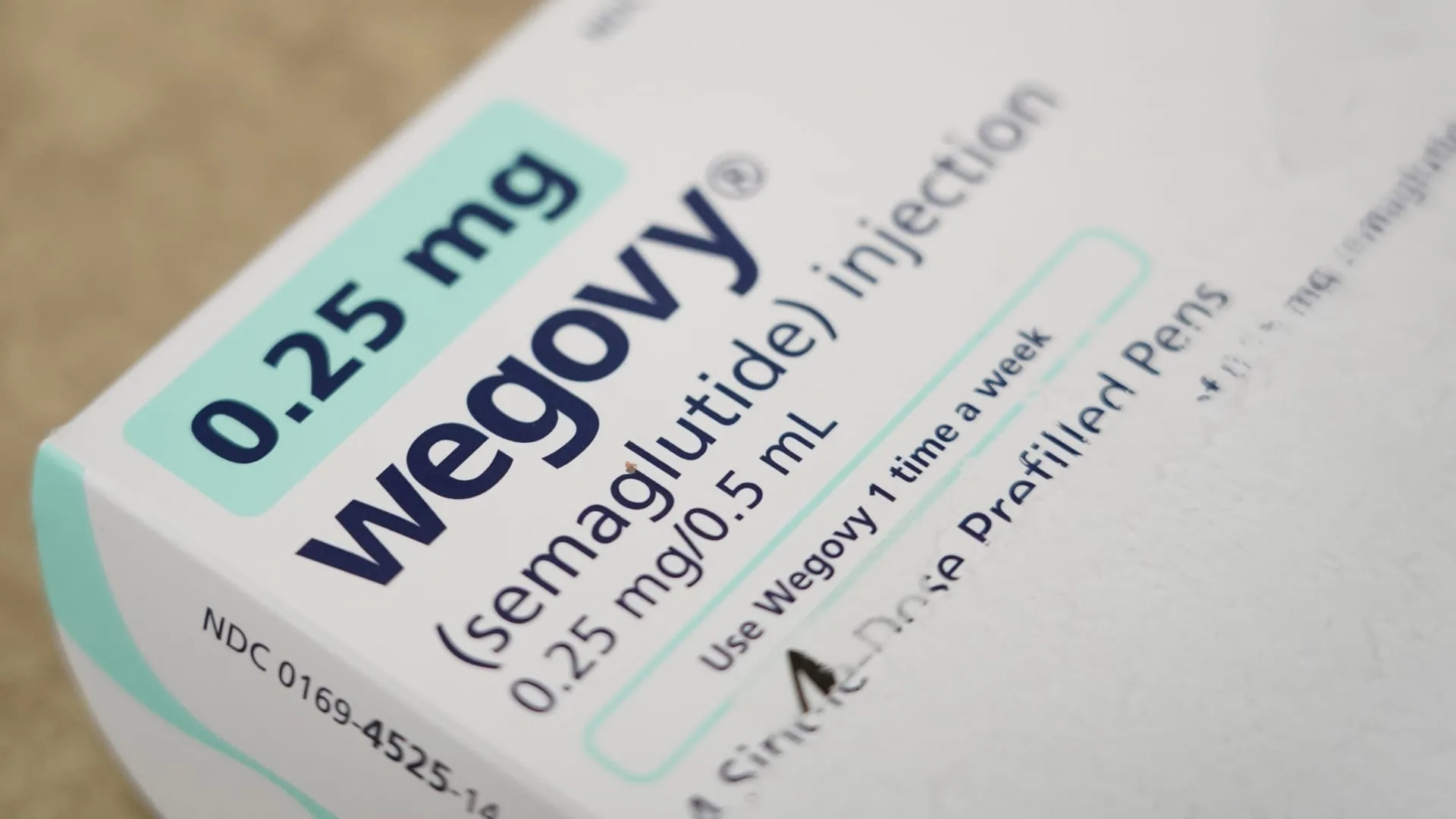
Still life of Wegovy an injectable prescription weight loss medicine that has helped people with obesity. It should be used with a weight loss plan and physical activity. 

Michael Siluk | UCG | Getty Images

An FDA approval could potentially increase the uptake of Wegovy, encouraging more obesity specialists, primary care providers and cardiologists to prescribe it to eligible patients, said Dr. Eduardo Grunvald, medical director for UC San Diego’s Center for Advanced Weight Management.

An approval may also put more pressure on U.S. insurers to eventually cover Wegovy and similar weight loss treatments, opening the door for broader use.

Eli Lilly is also studying the cardiovascular benefits of Zepbound in a phase three clinical trial in diabetes patients with increased cardiovascular risk, and results are expected in late 2024. The drugmaker is conducting a similar study in obese patients with heart-health risks, but results may not come until 2027. 

Meanwhile, Novo Nordisk’s other treatments could reach their own milestones next year.

Novo Nordisk expects to release data in the first half of 2024 from a late-stage trial examining Ozempic as a treatment for kidney failure in diabetes patients with chronic kidney disease. The company hinted that the trial would be a success when it halted the study a year earlier than planned in October based on an interim analysis.

Upcoming clinical trial data releases

  • A phase-three trial from Eli Lilly on Zepbound as a treatment for cardiovascular complications in diabetes.
  • A phase-three trial from Novo Nordisk on Ozempic as a treatment for kidney failure in diabetes patients with chronic kidney disease.
  • A phase-three trial from Novo Nordisk on a 25-milligram version of its once-a-day weight loss pill.
  • A phase-three trial on Zepbound as a potential treatment for heart failure in patients with obesity.
  • A phase-three trial on Zepbound as a potential treatment for non-alcoholic fatty liver disease, which is caused by fat buildup in the liver, in patients with obesity.
  • A phase-three trial on Zepbound as a potential treatment for obstructive sleep apnea, or the pause of breathing during sleep due to blocked airways, in patients with obesity.
  • A phase-three trial on IcoSema, a combination of once-weekly insulin and once-weekly semaglutide, in patients with diabetes.

Novo Nordisk will also release phase three clinical trial data on a 25-milligram version of its once-a-day weight loss pill, which uses semaglutide, the same active ingredient as in Ozempic and Wegovy. 

That trial is crucial because Novo Nordisk is waiting to see that data before filing for approval of the oral weight loss drug, said Cowen’s Nedelcovych. He added that in the long term, the availability of weight-loss pills could boost capacity for their injectable counterparts. 

Also in 2024, a study following patients from a previous late-stage trial could potentially generate data supporting Wegovy as a treatment for preventing the development of diabetes, Nedelcovych said.

A make-or-break year for Pfizer

New data next year will be crucial to determining whether Pfizer gets a piece of the weight loss drug space. The stakes are high: CEO Albert Bourla has said the company hopes to capture $10 billion of that market. 

Pfizer axed a twice-daily version of the only obesity product in its pipeline earlier this month after patients taking the pill lost significant weight but had trouble tolerating the drug in a mid-stage study. 

Now, the company is pinning its hopes on a once-a-day version of the pill, known as danuglipron, which it believes may cause fewer adverse side effects. Pfizer said it expects to release more data on that version of the drug in the first half of 2024, which will help the company decide whether to start a late-stage study on the pill. 

CFOTO | Future Publishing | Getty Images

However, some analysts have raised questions about whether the once-a-day version will be easier to tolerate.

“Despite ongoing work, tolerability still appears to be an issue with the product, and it is not clear to us why this will improve” in a phase three trial or with a once-daily version, JPMorgan analyst Chris Schott said in a December note.

Barclays analyst Carter Gould said in a December note that it is “increasingly apparent” that the company will have to look externally for an obesity treatment, whether that’s through an acquisition or partnership, to capture a slice of the weight loss drug market like it had hoped.

Meanwhile, upcoming data will reveal how serious Amgen’s weight loss drug portfolio is. In the first half of 2024, Amgen is slated to publish early stage trial data on an oral weight loss medication.

In the second half of the year, Amgen plans to release mid-stage trial data on an injectable drug that helped cause up to 14.5% weight loss after 12 weeks in an early study.

Watch for buyouts and partnerships

Pfizer isn’t the only company that could benefit from looking externally for obesity drugs. 

Larger drugmakers used acquisitions of smaller businesses, or partnerships with them, to carve out space in the weight loss drug market this year. More companies could deploy the strategy next year, analysts said.

“There are a bunch of other large-cap pharmas on the list who could do this,” said Cantor Fitzgerald’s Chen. 

Swiss company Roche said earlier this month it would buy the privately held U.S. obesity drugmaker Carmot Therapeutics for $2.7 billion. AstraZeneca signed a licensing agreement with Chinese biotech company Eccogene to develop an obesity pill. 

Novo Nordisk and Eli Lilly have also snapped up smaller obesity drug companies this year to maintain their dominance in the market. 

Recent weight loss drug buyouts and partnerships

  • Roche in December said it will buy privately held obesity drugmaker Carmot Therapeutics for $2.7 billion.
  • AstraZeneca in November said it signed a licensing agreement with Chinese biotech company Eccogene to develop an obesity pill.
  • Novo Nordisk in August said it will acquire the privately held obesity drugmaker Inversago Pharma for $1.08 billion. 
  • Novo Nordisk in August said it will acquire Embark Biotech, which develops obesity and diabetes drugs, for up to $500 million. 
  • Eli Lilly in July said it will acquire privately held obesity drugmaker Versanis for $1.93 billion.

In a statement to CNBC, Novo Nordisk said it has increased its focus on “sourcing and elevating external innovation” to complement its in-house products and broaden its drug pipeline, especially for diabetes, obesity, cardiovascular disease and rare blood disorders.

The company also said it is interested in the “full range of business development activities,” from acquisitions to partnerships on early or late-stage products, when it comes to companies with new biological drugs, new potential treatment targets and new mechanisms of action, or how a drug works.

Chen said acquisitions or partnerships may be the only way for small- to mid-cap weight loss drugmakers to catch up with Eli Lilly and Novo Nordisk.

Some smaller companies have indicated that they are open to the idea: Altimmune said Dec. 5 that it is looking for partners to launch and develop its experimental obesity drug pemvidutide. 

Shares of Altimmune have jumped more than 140% since Nov. 30, when the company released mid-stage trial data showing that its injectable drug caused 15.6% weight loss on average after 48 weeks.

Other smaller weight loss drugmakers include Structure Therapeutics, whose once-daily pill helped overweight or obese patients lose up to 10 pounds of weight on average after a month in an early-stage trial. The company is expected to report mid-stage trial data on its drug in diabetes patients this month and more results on the pill in patients with obesity early next year, Guggenheim’s Fernandez noted. 

Still, some bigger drugmakers may wait to see larger and later-stage data from smaller companies before moving to acquire them. That data may not come out until 2025 or later for many firms, said Fernandez.


Elliott Wilson Apologizes To Kai Cenat After Nicki Minaj Dispute

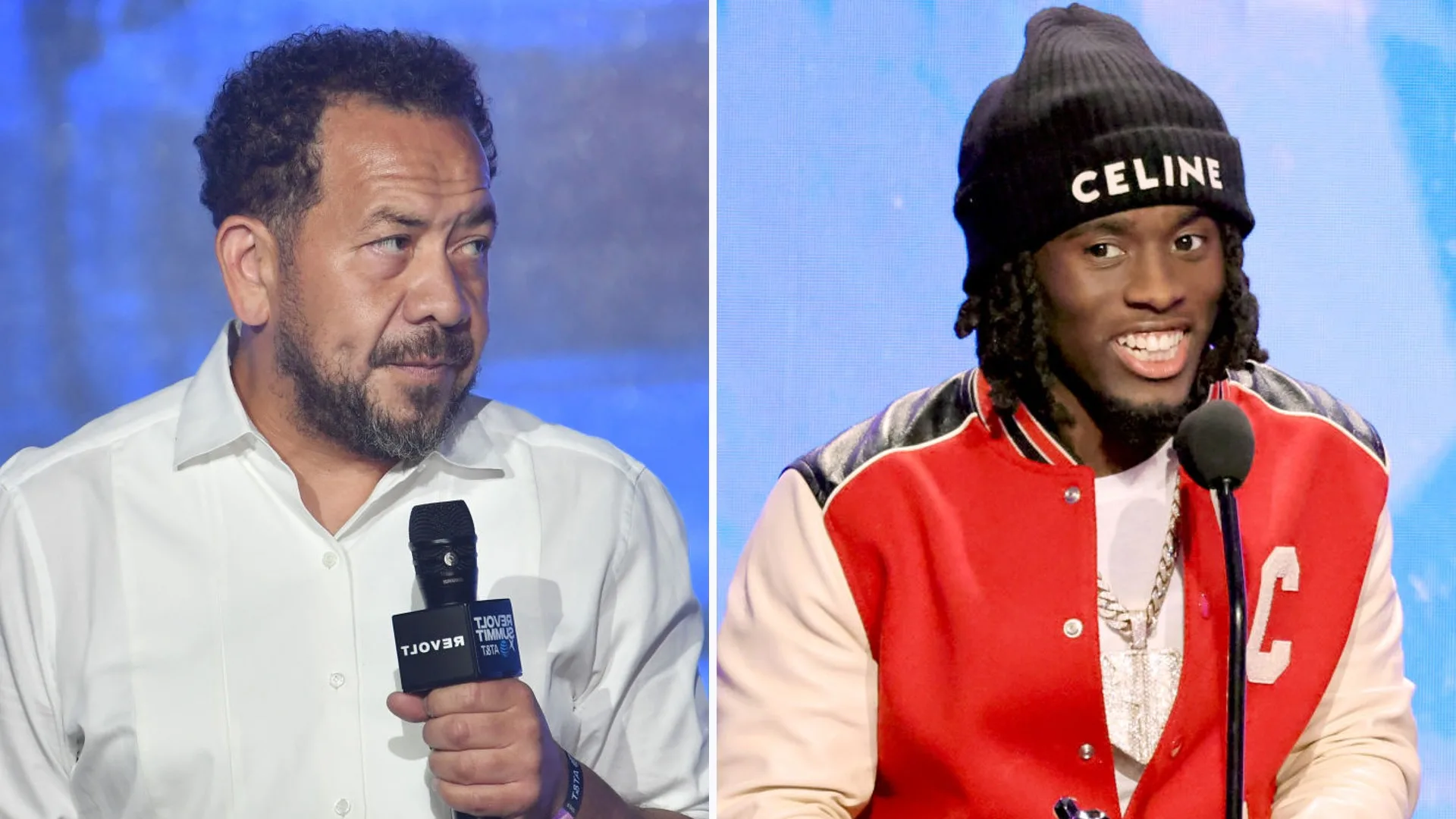
Elliott Wilson has issued a public apology to Twitch streamer Kai Cenat after feeling some type of way about his interview with Nicki Minaj earlier this week.

The hip hop journalist had previously interviewed the rapper when she dropped her 2014 album, ‘The Pinkprint,’ and again in 2018, following the release of ‘Queen.’ But amid her promotional campaign to support her latest record, ‘Pink Friday 2,’ Wilson wasn’t in the books for a sit-down chat.

On Thursday (December 14), the XXL editor took to his X account and shared a short clip of Minaj twerking during Cenat’s live stream. He captioned the photo, “Hip hop journalism,” a comment some fans perceived as an insult to the Twitch star.

Hip Hop journalist Elliott Wilson shared his thoughts on Kai Cenat’s livestream with Nicki Minaj. 👀 pic.twitter.com/rmvRcGMFdA

— No Jumper (@nojumper) December 14, 2023

Elliott Wilson Takes Accountability After Nicki Minaj Clapped Back

Wison has previously taken issue with artists often neglecting traditional hip hop for creators with mass audiences. Amid Nicki’s interview with Kai and Funny Marco, Wilson decided to voice his opinion. Social media, Nicki Minaj, and her fan base, the Barbz, didn’t think it needed to be at Cenat’s expense.

After coming across his initial tweet, Minaj didn’t hesitate to respond as she lashed out at Wilson for his remark before calling out his journalistic practices. She accused him of manipulating narratives to make her appear in a negative light.

“Elliot, if you’d spit JayZ d*** out for one second, you’d be able to be happy for the new comers,” the ‘Barbie Dangerous’ artist posted on Friday (December 15) in response to Wilson’s remark about the live stream.

She added:

“Isn’t that how y’all tried to tarnish my image? By saying I’m not welcoming new btchs in? Did songs with all of them tho. Why you not happy for a young black man like Kai. Tmrw btch.”

Nicki Minaj later elaborated on the situation, telling fans that Wilson had allegedly disrespected her in several tweets in the past as she referred to him as “Idiot Wilson.” She added, Nobody owes you s**t, h** n***a. F**k you!” 

RELATED: Watch Viral Moments From Kai Cenat’s Livestream With Nicki Minaj (VIDEOS)

pic.twitter.com/gii4KnAU7u

— Elliott Wilson (@ElliottWilson) December 15, 2023


The podcast host attempted to clear the air by responding to Minaj as he clarified he was not disrespecting her with the tweet.

“Never dissed Nicki. Always said she’s the female rap [GOAT]. Over Lauryn, Missy, Kim and Foxy and all. I think Cardi B is dope too. Happy Holidays.”

On Saturday (December 16), however, Wilson hopped back on the social media platform to apologize for his comment, saying that he was out of line and should’ve never discredited the platform Cenat has been able to build from the ground up.

“I apologize to @KaiCenat + his fam,” Wilson wrote. “I was out of line and let my competitive nature get the best of me. Kai carved his own lane in the game, built a great platform and deserves respect. Salute the streamers and young creatives getting to the paper and pushing our culture forward.”

See the post below.

Activision Blizzard agrees to settle California intercourse discrimination case

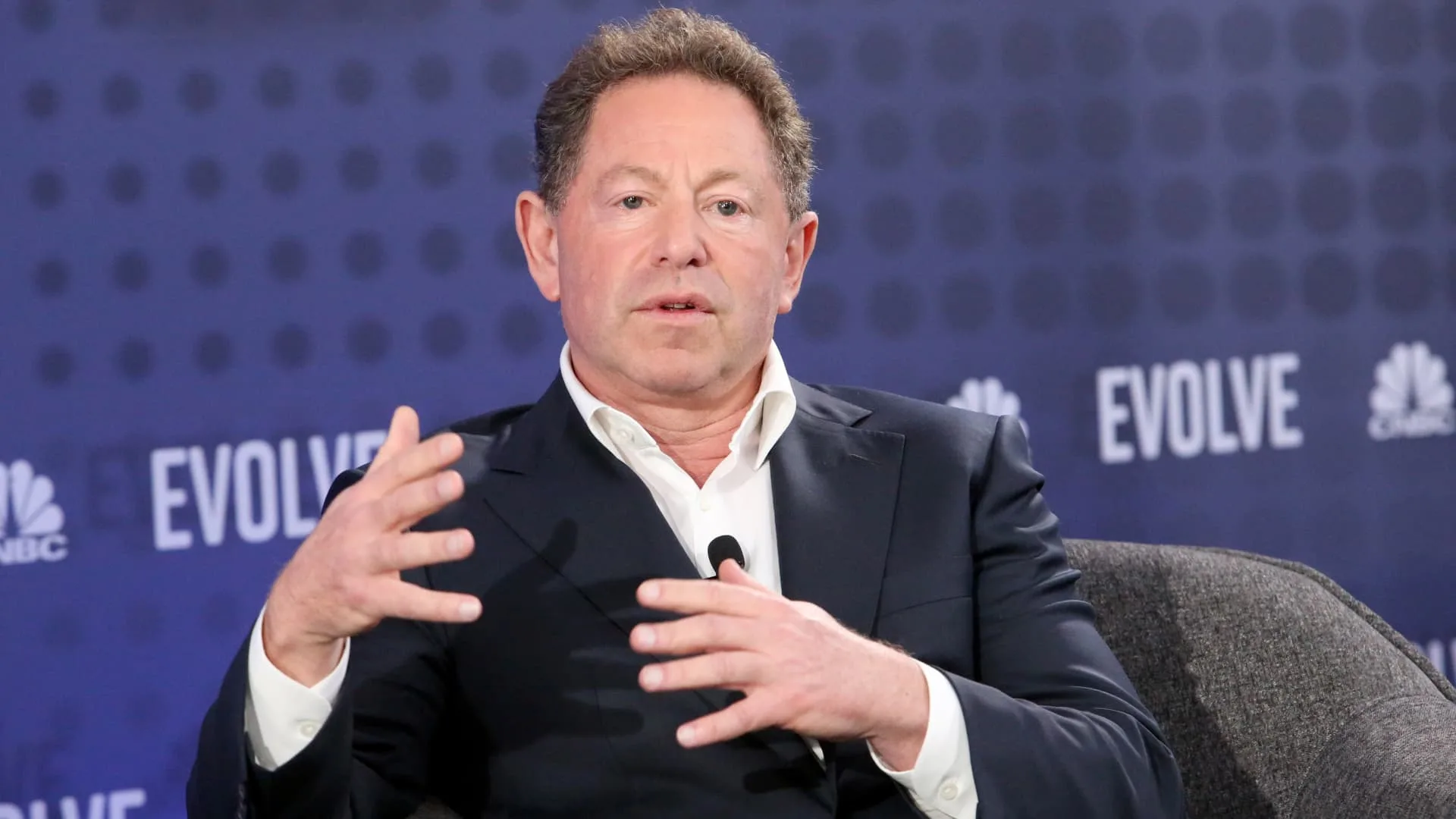
Activision Blizzard CEO Bobby Kotick speaks at the CNBC Evolve conference November 19th in Los Angeles.

Jesse Grant | CNBC

Microsoft-owned Activision Blizzard has agreed to settle a case from a California state agency that alleged the video game publisher discriminated against women, including denying them promotion opportunities and paying them less.

California’s Civil Rights Department said in a statement on Friday that as part of a proposed settlement agreement, Activision Blizzard will pay nearly $55 million to provide relief to female employees and contractors from October 2015 to December 2020 and cover legal fees. About $46 million of the total will go to the fund for affected women, the agency said in the statement.

The news comes almost two years after Activision Blizzard settled a case from the U.S. Equal Employment Opportunity Commission, which pointed to sexual harassment, pregnancy discrimination and retaliation. As a result, the company agreed to form an $18 million fund to pay victims.

In 2021, the agency, then known as the Department of Fair Employment and Housing, filed a suit against the company, presenting allegations of sexual harassment, discrimination and retaliation. Months later, the Wall Street Journal reported that while Activision Blizzard CEO Bobby Kotick was aware of allegations of misconduct inside the company, he didn’t share all relevant information with its board.

Shares fell, and Microsoft subsequently began talks to acquire Activision Blizzard, the maker of Call of Duty.

The $69 billion deal closed in October after regulators in the U.S. and Europe looked carefully at it. The Federal Trade Commission argued in San Francisco appellate court last week that a federal judge made mistakes in rejecting the regulatory agency’s attempt to stop the companies from completing the transaction.

The Los Angeles County Superior Court must approve Activision’s settlement with the state agency, according to the statement. The agency will file a new complaint that excludes prior harassment allegations, according to the proposed settlement agreement, which CNBC viewed.

The agreement would require Activision to keep up efforts around inclusion of underrepresented people in recruiting. Except when compensation is non-negotiable, the company would have to tell job applicants in writing at the start of hiring and promotion processes that they can negotiate their pay.

“We appreciate the importance of the issues addressed in this agreement and we are dedicated to fully implementing all the new obligations we have assumed as part of it,” Activision said in a statement to CNBC.

WATCH: Activision Blizzard CEO Bobby Kotick: We always believed the deal would get through

Rudy Giuliani ordered to pay Georgia election employees for defamation

Rudy Giuliani at 60 Centre Street in Manhattan on Thursday, Sept. 8, 2022.

Theodore Parisienne | Tribune News Service | Getty Images

A federal jury on Friday ordered Rudy Giuliani to pay over $148 million to two Georgia election workers for falsely claiming they committed ballot fraud in the 2020 presidential election.

The jaw-dropping figure includes $75 million in punitive damages, along with awards of $20 million to each of the two election workers for emotional distress and more than $16 million each for defamation.

Giuliani was in court as the verdict was read aloud by a federal judge.

The defamation damage award is the latest in a series of legal blows to Giuliani related to his service as the top campaign lawyer for Donald Trump in efforts to reverse the former Republican president’s loss in that election.

Giuliani, Trump, and 17 other defendants were indicted this summer on state criminal court charges in Georgia in connection with their attempts to undo Trump’s defeat.

The civil verdict by the jury Friday came a after Giuliani’s lawyer said he would not testify in the case in U.S. District Court in Washington, D.C., reversing his supposed plans to do so.

The plaintiffs in the case, Ruby Freeman and Wandrea “Shaye” Moss, who are mother and daughter, sued Giuliani in 2021 for defamation, intentional infliction of emotional distress and civil conspiracy.

Courtroom sketch of Ruby Freeman and Wandrea “Shaye” Moss during Rudy Giuliani’s defamation trial on Dec. 14th, 2023.

Artist: Bill Hennessy

Judge Beryl Howell in August issued a default judgment against Giuliani in the women’s favor because he had repeatedly failed to comply with orders requiring him to turn over evidence to their attorneys. Giuliani previously had conceded that for the purposes of the lawsuit he had made false statements about the women that were defamatory.

Howell’s ruling meant that the trial would only determine how much money the former New York City mayor would pay the women in damages.

On Tuesday, a social media expert had testified that it would cost the women between $17 million and nearly $48 million to fix the damage to their reputations as a result of the lies told about them by Giuliani and others.

Read more CNBC politics coverage

Giuliani had said at a Georgia Senate hearing after the 2020 election that Freeman and Moss at a ballot counting location had passed each other USB flash drives like “vials of heroin or cocaine” as part of a scheme to defraud Trump of an election win. Moss later testified to Congress that she and her mother were passing candy.

Freeman testified during the trial that after Giuliani made his claims about her and her daughter, they received non-stop threats, and that she left her home for two months at the beginning of 2021 at the recommendation of the FBI.

“We are coming for you and your family!” one email sent to Freeman said, according to evidence shown to jurors. “Ms. Ruby, safest place for you right now is in prison. Or you will swing from the trees.”

Freeman wept on the witness stand, “It’s so scary every time I go somewhere if I have to use my name.”

Joseph Sibley, Giuliani’s attorney in the case, did not immediately respond to CNBC’s request for comment.

This is breaking news. Check back for updates.

Moderna, Merck most cancers vaccine reduces danger of pores and skin most cancers return

An exterior view of Moderna’s clinical manufacturing facility. 

David L. Ryan | Boston Globe | Getty Images

Moderna and Merck‘s experimental cancer vaccine, when used in combination with Merck’s blockbuster therapy Keytruda, reduced the risk of death or relapse in patients with the most deadly form of skin cancer after three years, according to midstage trial data released Thursday. 

The combination specifically slashed the risk of death or recurrence of the cancer, known as melanoma, by 49% in patients in later stages of the disease compared to those who received Keytruda alone after three years. The cancer vaccine in combination with Keytruda also reduced the risk of melanoma spreading to other parts of the body by 62%.

Those results build on midstage trial data the companies released earlier this year, which showed the efficacy of the combination in the same 157 patients over a shorter period. After around two years, the vaccine and Keytruda cut the risk of death or relapse by 44% in melanoma patients, and reduced the risk of the cancer spreading in the body by 65%, according to the earlier trial data. 

The most common side effects of the vaccine after three years were fatigue, injection site pain and chills, according to Thursday’s data.

The new results suggest that the cancer shot used with the immunotherapy continues to provide meaningful health benefits to melanoma patients after they stay on the treatment for a longer period of time. The two drugmakers are continuing to study the combination as a treatment for melanoma in a late-stage trial, which began in July.

The vaccine, which uses the same mRNA technology as Moderna’s Covid vaccine, is custom-built based on an analysis of a patient’s tumors after surgical removal. The shot is designed to train the immune system to recognize and attack specific mutations in cancer cells.

Merck’s Keytruda, which is approved to treat melanoma and other cancers, belongs to a class of widely used immunotherapies known as checkpoint inhibitors designed to disable a certain protein that helps cancer evade the immune system.

The U.S. Food and Drug Administration gave breakthrough therapy designation to the cancer vaccine for the treatment of melanoma in February, which is intended to speed up the development and review of treatments for serious and life-threatening diseases.

Moderna and Merck are also testing the vaccine with Keytruda against other tumor types. On Monday, the drugmakers started a late-stage trial on the combination as a treatment for non-small cell lung cancer.

Melanoma is responsible for the large majority of skin cancer deaths, according to the American Cancer Society. The rate of melanoma has increased rapidly over the past few decades, according to the organization.

About 100,000 people will be diagnosed with melanoma in the U.S. this year and nearly 8,000 people are expected to die from the disease, according to the American Cancer Society.

Don’t miss these stories from CNBC PRO:

IRS rejects 20,000 tax refund claims for worker retention credit score

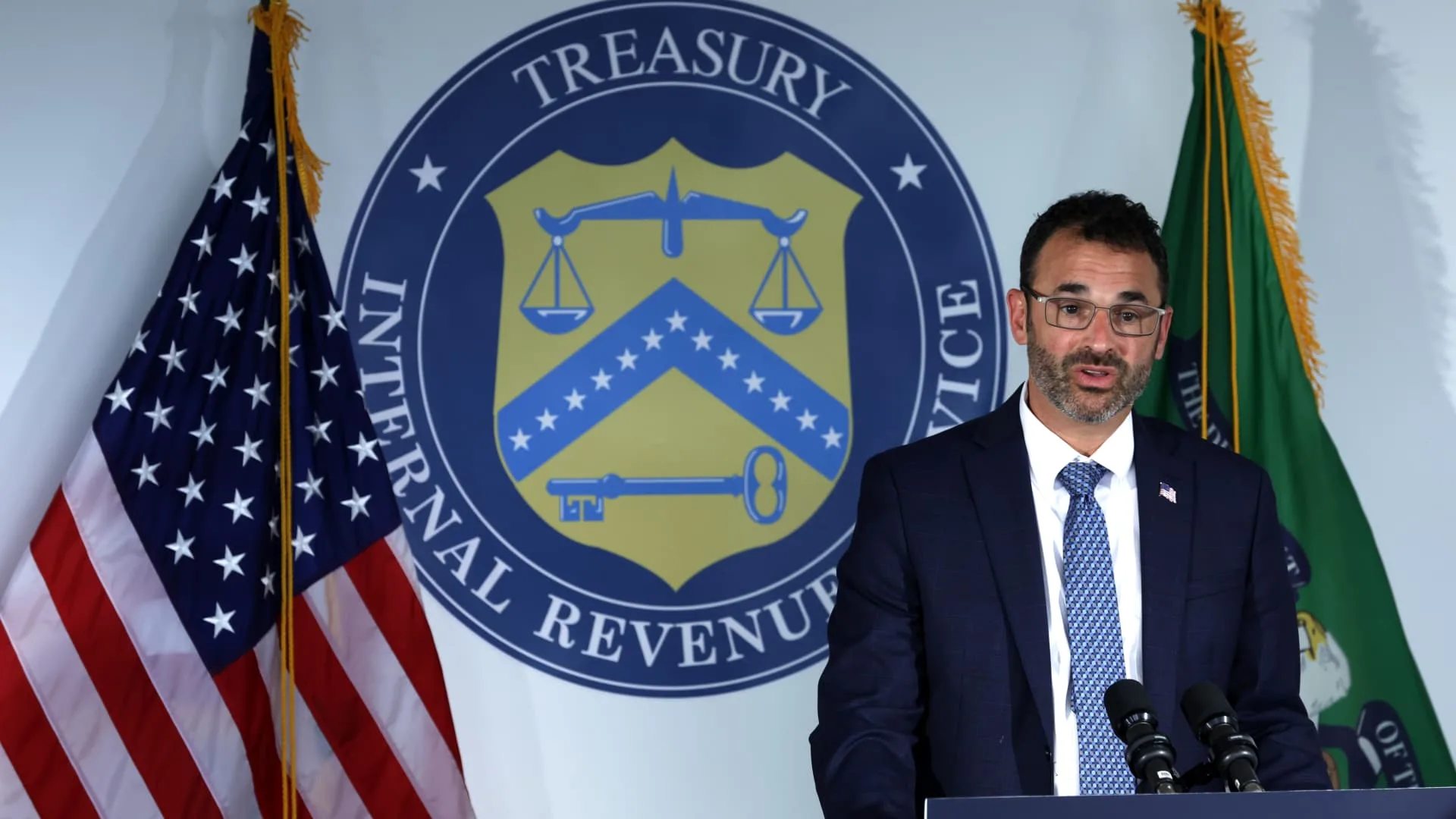
IRS Commissioner Daniel Werfel speaks during an IRS event on August 2, 2023 in McLean, Virginia.

Alex Wong | Getty Images

The IRS is sending more than 20,000 rejection letters to taxpayers who wrongly claimed a pandemic-era tax break as the agency continues its crackdown on “dubious” filings.

Created to support small businesses during the Covid-19 pandemic, the employee retention credit, or ERC, is worth thousands of dollars per eligible employee. However, the tax break sparked a wave of companies pushing small businesses to wrongly claim the credit — and the agency temporarily stopped processing new filings in September amid a “surge of questionable claims.”

“With the aggressive marketing we saw with this credit, it’s not surprising that we’re seeing claims that clearly fall outside of the legal requirements,” IRS Commissioner Danny Werfel said in a statement Wednesday.

More from Personal Finance:
Supreme Court case on ‘income’ could have major implications for taxpayers
Credit card debt is ‘the biggest threat to building wealth,’ poll finds
Job data suggests ‘soft landing’ is increasingly likely, economists say

Starting this week, ineligible taxpayers will start receiving copies of Letter 105 C for disallowed claims. Later this month, the IRS will unveil a “voluntary disclosure program” for taxpayers who wrongly claimed the credit. The agency is rejecting filings from entities that didn’t exist or didn’t have paid employees during the eligibility period.

“The action we are taking today is part of an initial set of steps in our compliance work in this area,” Werfel said. “More letters will be going out in the near future, including both disallowance letters and letters seeking the return of funds erroneously claimed and received.”

The announcement comes less than two months since the IRS unveiled a special withdrawal process for small businesses that wrongly claimed the credit to avoid repayment, interest and penalties.

Don’t miss these stories from CNBC PRO:

Potential Trump 2024 Faux Electors Will not Take part As a result of They Are Scared Of Going To Jail

Arrests and criminal prosecutions are proving to be an effective way of deterring Republicans from participating in a potential Trump attack on the 2024 election.

The Washington Post reported:

In the past few months, 25 of those 84 electors have been charged with felonies, such as forgery, false statements, and filing false documents. Ten more have agreed as part of a lawsuit settlement to not serve as electors in any election in which Trump is on the ballot. And 13 others in Georgia have been labeled “unindicted co-conspirators.”

The publicity surrounding those investigations, and the specter of tarnished reputations and heavy legal costs, are likely to discourage future Trump electors — should the former president secure the GOP nomination next year — from casting votes for him in a state where Biden is again declared the winner, many Republicans said.

While the fake elector scheme was novel in 2020, with many pro-Trump electors claiming they didn’t fully understand how their votes would be used, those who engage in similar activities in the future could find it harder to claim they didn’t know they could be held criminally liable. Another discouraging force: a new federal law that tightened the rules surrounding the counting of electoral college votes every four years.

Multiple states have sent the message to Republicans not to mess with their elections. Investigations in Georgia, Michigan, Wisconsin, and Nevada and the criminal charges against Trump’s fake electors in several of those states are having the same impact that the 1/6 prosecutions have had on Trump’s calls for political violence.

Republicans have shown that even though they support Donald Trump, the vast majority of them aren’t willing to ruin their lives and go to jail for him.

The Electoral Count Reform Act has made it virtually impossible for Trump to replicate the 2020 fake elector, but if his campaign is thinking about pulling anything else, they are likely to have a difficult time recruiting co-conspirators at the Republican state and local levels.

Donald Trump is using the same strategy that he relied on in 2016 and 2020, but his support does not appear to be as passionate within the Republican Party. After the 1/6 attack, lawmakers took steps to change the law.

The MAGAs have realized that when they follow Trump’s order, they go to jail, while he goes to golf, and as the nation heads into 2024, many of them no longer are willing to take the fall for Donald Trump.

A Special Message From PoliticusUSA

If you are in a position to donate purely to help us keep the doors open on PoliticusUSA during what is a critical election year, please do so here.

We have been honored to be able to put your interests first for 14 years as we only answer to our readers and we will not compromise on that fundamental, core PoliticusUSA value.

Jason is the managing editor. He is also a White House Press Pool and a Congressional correspondent for PoliticusUSA. Jason has a Bachelor’s Degree in Political Science. His graduate work focused on public policy, with a specialization in social reform movements.

Awards and  Professional Memberships

Member of the Society of Professional Journalists and The American Political Science Association